
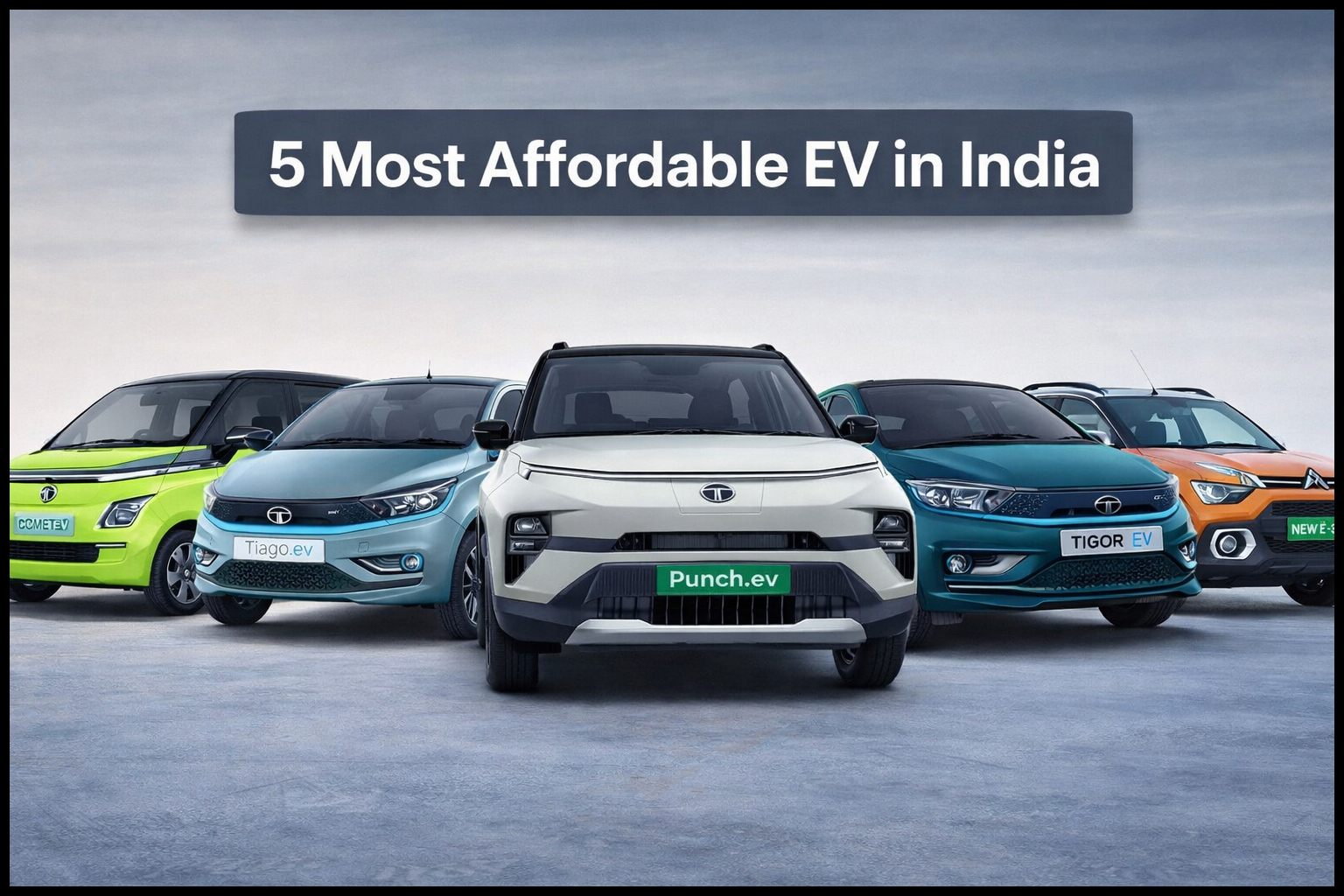
⚡ 5 Most Affordable EVs in India
With rising fuel prices and growing demand for clean mobility, affordable electric cars in India are becoming the smartest choice for urban buyers. Today’s budget EVs offer low running costs, zero emissions, and a practical driving range, making them ideal for daily city use.
In this blog, we cover the 5 Most Affordable Electric Vehicle’s in India, including the MG Comet EV, Tata Tiago EV, Tata Punch EV, Tata Tigor EV, and the Citroën eC3. If you’re searching for the best budget electric car in India, this guide helps you compare price, range, features, and value for money.
Why Choose an Affordable Electric Vehicle in India?
If you’re a first-time EV buyer, affordable electric cars offer a smart and future-ready alternative to traditional petrol and diesel vehicles. Here’s why switching to an electric vehicle in India makes sense:
- ✔ Lower running cost: EVs cost significantly less per kilometre compared to petrol or diesel cars.
- ✔ Reduced maintenance: Fewer moving parts mean lower service and maintenance expenses.
- ✔ Government subsidies & tax benefits: Central and state incentives make Electric Vehhicle’s more affordable than ever.
- ✔ Ideal for city driving: Quiet performance, instant torque, and easy charging suit daily urban commutes.
- ✔ Charging infrastructure improving: Public Electric Vehicle charging stations are rapidly expanding across Indian cities.
📊 Criteria for Selecting the Most Affordable Electric Vehicle’s
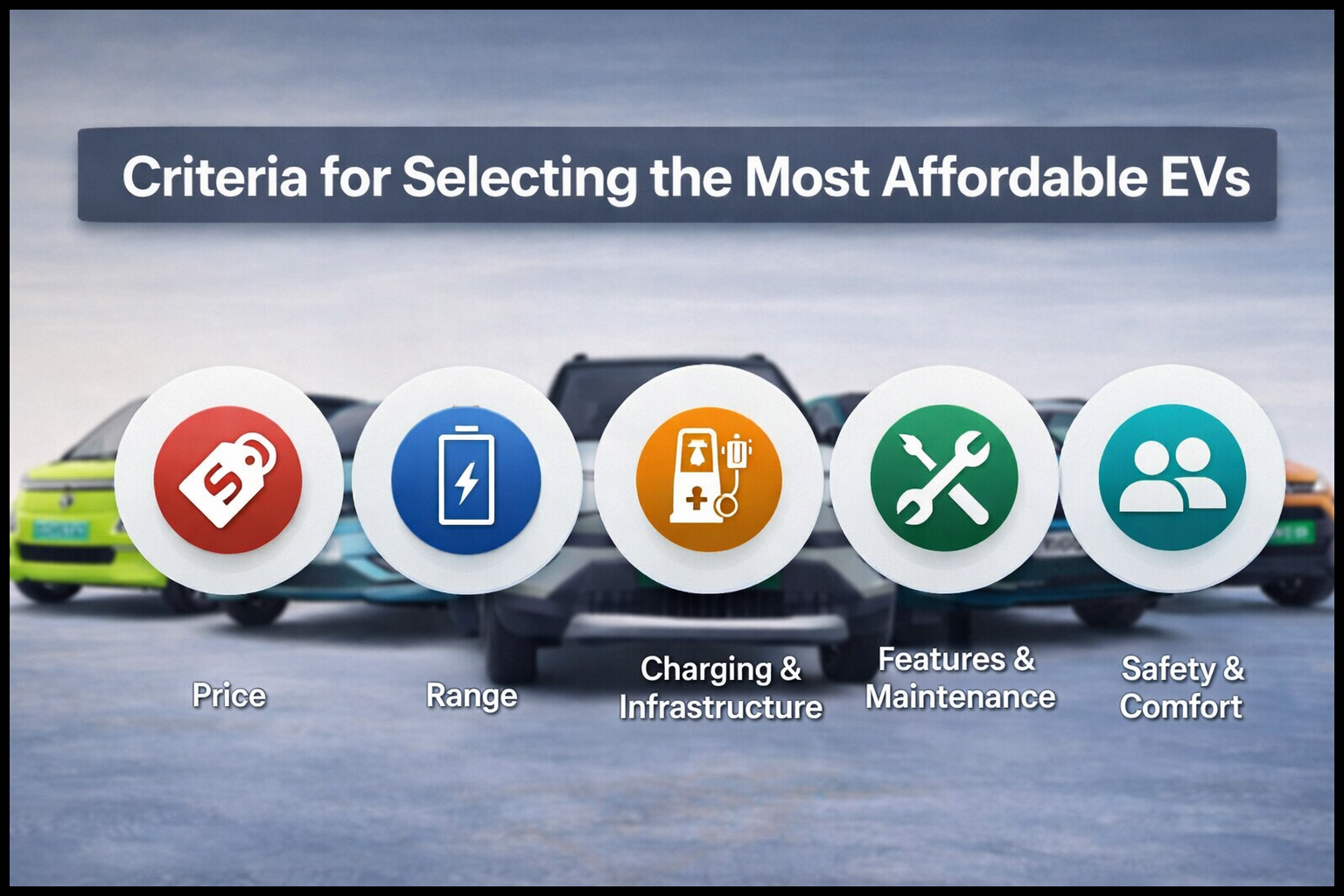
To ensure trust and complete transparency, we evaluated each electric car using real-world, buyer-focused parameters. Our selection is not just based on price, but on overall value for money for Indian consumers.
- ✔ Ex-showroom price: Only budget-friendly Electric Vehicle’s with competitive pricing were considered.
- ✔ Driving range (real-world focus): Practical city range rather than just claimed figures.
- ✔ Battery & charging time: Battery capacity, home charging convenience, and fast-charging support.
- ✔ Safety & features: Essential safety tech, infotainment, and comfort features for daily use.
- ✔ Brand reliability & service network: Strong after-sales support and widespread service presence in India.
| 🚗 Vehicle | 💰 Price | 🔋 Battery & Range | ⚡ Charging | ✨ Key Features | 🎯 Best For |
|---|---|---|---|---|---|
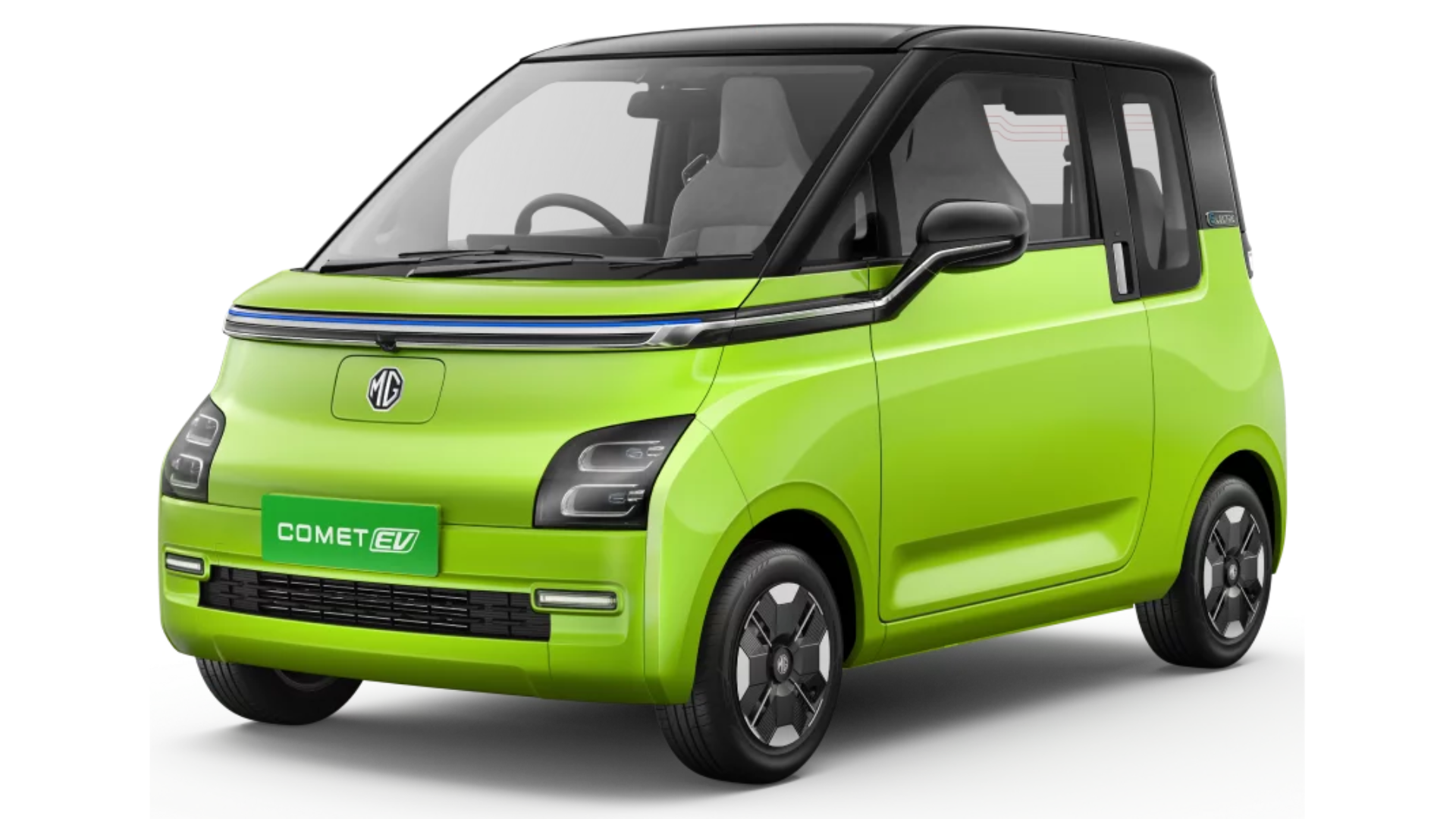 MG Comet EV |
₹7.5 – 10.6 Lakh | 17.3 kWh · ~230 km (city) | ~7 hrs (AC) · No DC fast charge | Ultra-compact · Easy parking · Digital dashboard | City commuters |
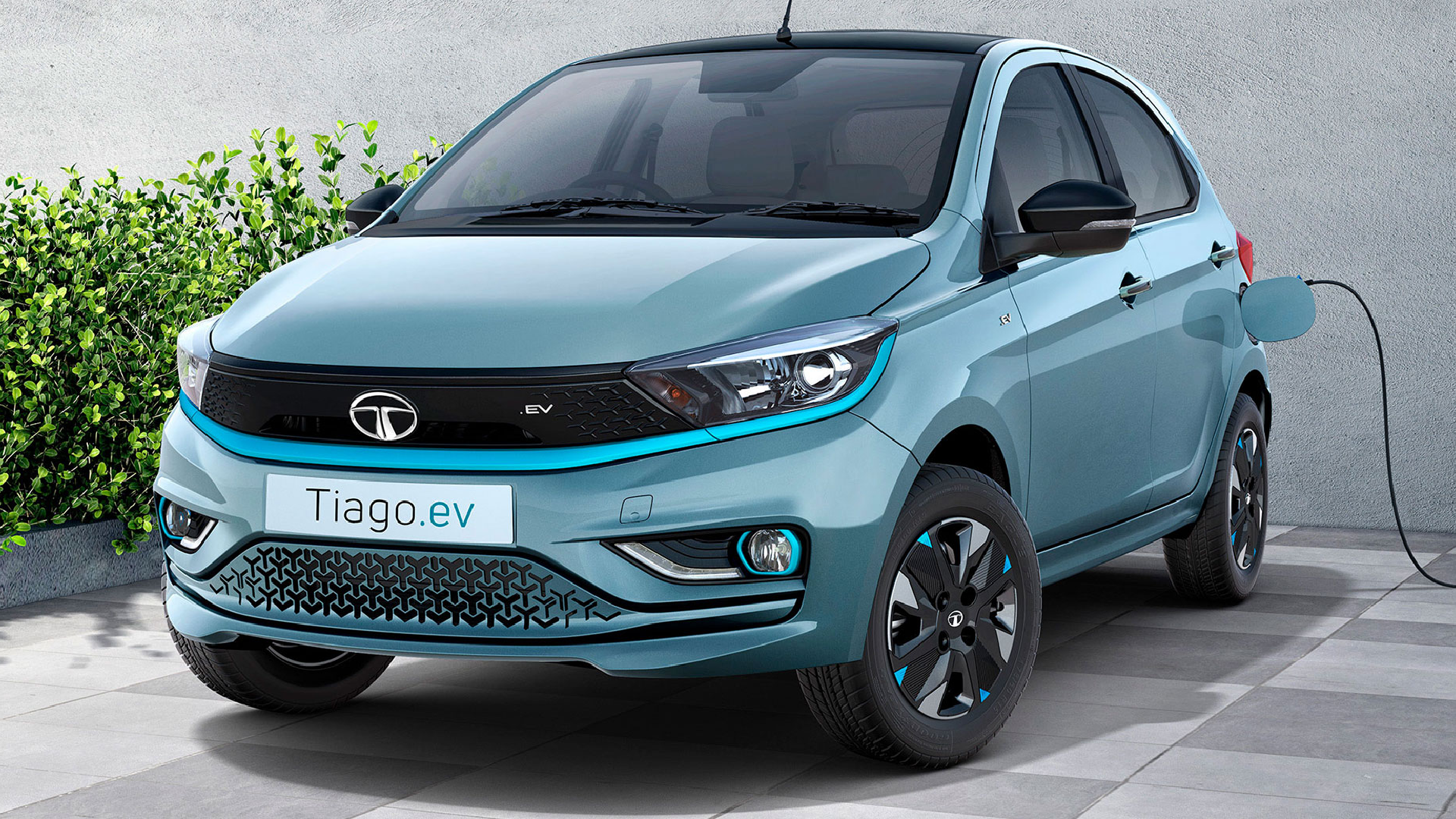 Tata Tiago EV |
₹8.7 – 12.0 Lakh | 19.2 / 24 kWh · 250–315 km | ~6.9 hrs (AC) · ~58 min (DC) | Ziptron tech · Multiple variants · Strong safety | First-time EV buyers |
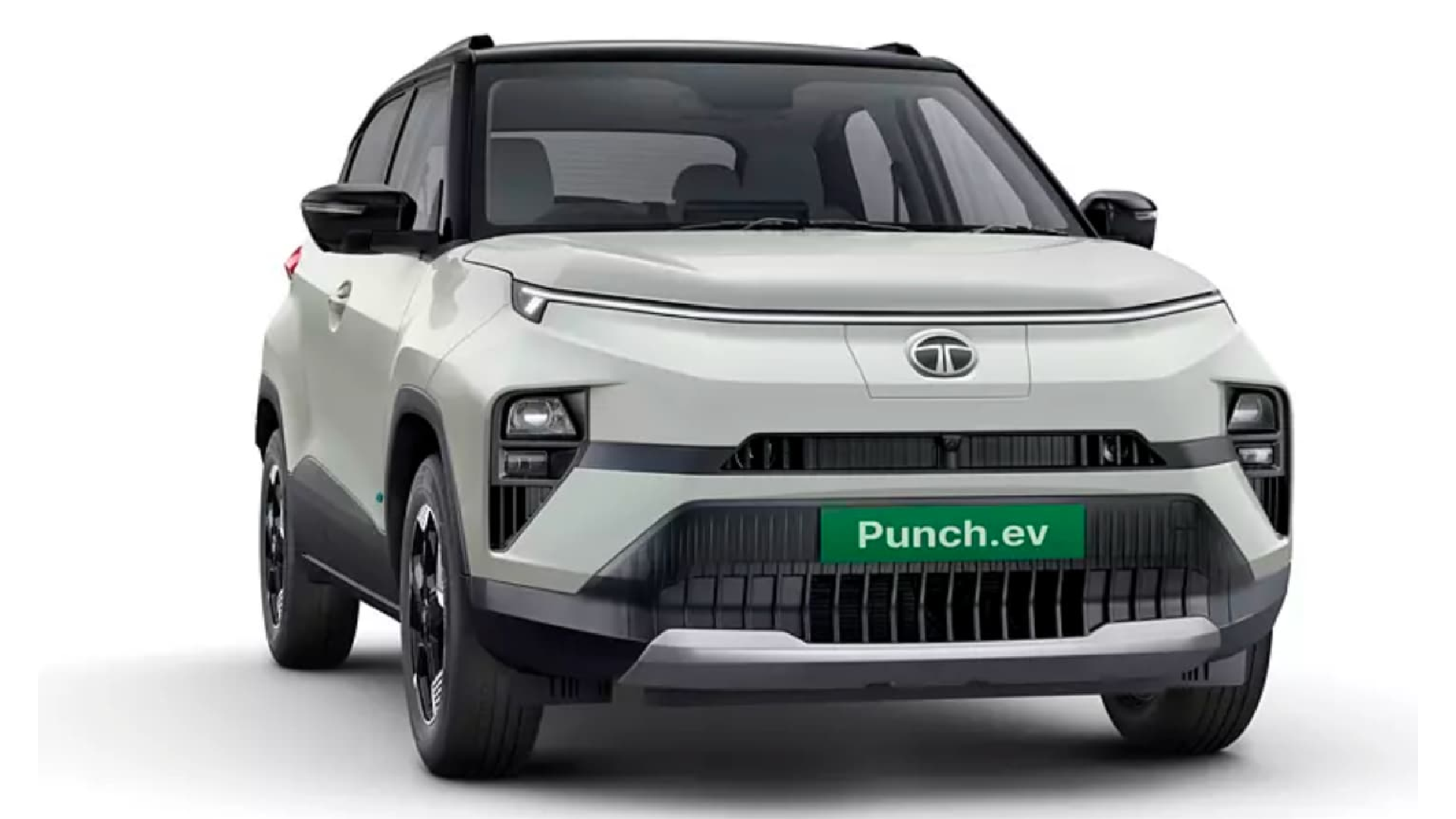 Tata Punch EV |
₹11.0 – 14.4 Lakh | 25 / 35 kWh · Up to 421 km* | ~56 min (DC) · AC supported | SUV stance · Longest range · High GC | Family & highway users |
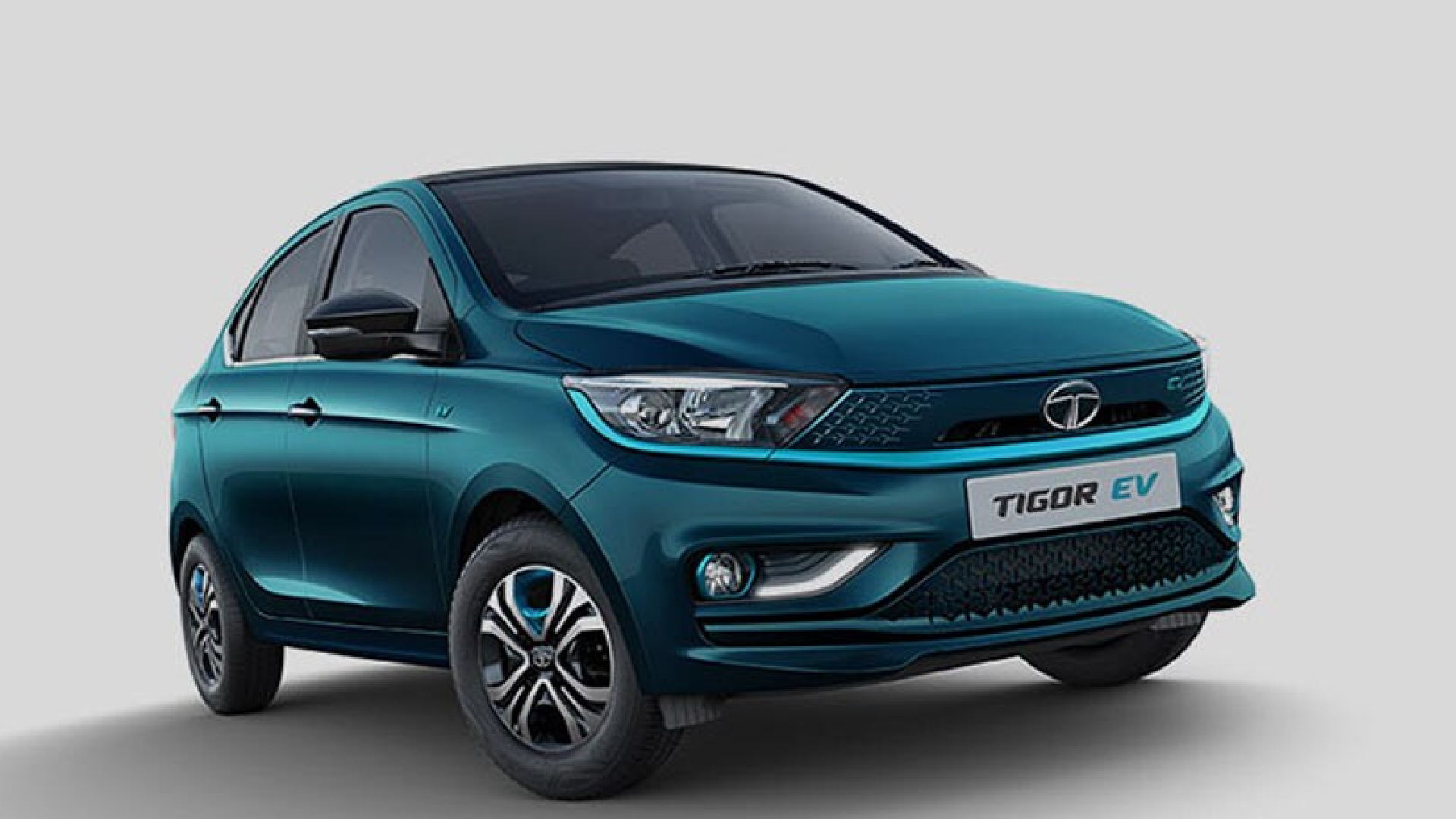 Tata Tigor EV |
₹12.5 – 13.8 Lakh | 26 kWh · ~315 km | ~9.2 hrs (AC) · ~59 min (DC) | Sedan comfort · Large boot · Smooth ride | Comfort-focused buyers |
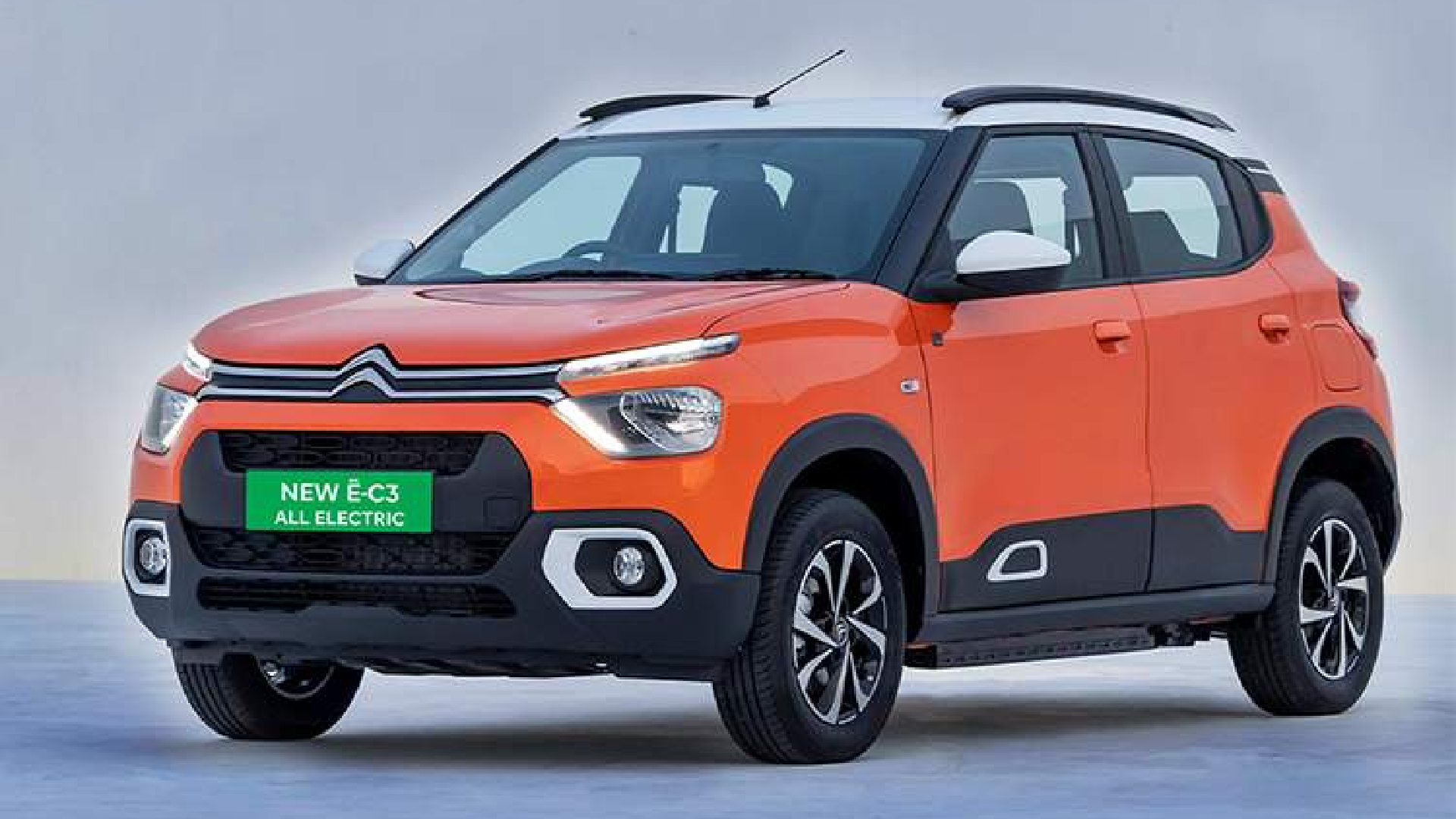 Citroën eC3 |
₹12.9 – 13.5 Lakh | 29.2 kWh · ~320 km | ~10.5 hrs (AC) · ~57 min (DC) | Spacious cabin · Comfort ride · Unique styling | Style-first buyers |
*Claimed range. Real-world figures may vary.
⚡ Pros & Cons of Affordable Electric vehicle’s in India
🧾 Real-World Cost of Owning an Affordable Electric Vehicle
Many car buyers focus only on the upfront price — but the **true cost of ownership** includes running, charging, maintenance, and insurance. Affordable electric cars in India shine not just because they are budget-friendly at purchase, but because they deliver **significant savings over time** compared to petrol/diesel cars.
- ✔ Lower Fuel Cost: Charging an EV typically costs a fraction of petrol/diesel — often less than ₹1/km vs ₹6–₹10/km for fuel.
- ✔ Reduced Maintenance: EVs have fewer moving parts — no oil changes, no timing belts, and simpler brakes — resulting in lower servicing bills.
- ✔ Insurance Savings: Some insurers offer dedicated Electric Vehicle policies with lower premiums and better battery coverage.
- ✔ Resale Value Potential: Good demand for popular affordable EVs may support better resale value over time compared to older petrol/diesel hatchbacks.
- ✔ Government Incentives: Central & state subsidies/tax benefits further reduce overall ownership cost.
🧮 Estimated Running Cost: Most affordable EVs in India cost approximately ₹1–₹2 per km to run (charging + maintenance), compared to ₹6–₹10/km for petrol/diesel cars — leading to significant savings over 3–5 years of ownership.
⚠️ Things to Consider Before Buying a Budget Electric Vehicle
While affordable electric cars in India offer excellent savings and eco-friendly mobility, it’s important to evaluate a few real-world factors before making your purchase decision.
- ✔ Real-World Driving Range: Always check the practical range, not just the claimed figure — AC usage, traffic, and driving style can reduce range.
- ✔ Charging Options: Ensure home charging availability and check fast-charging support for emergency top-ups.
- ✔ Battery Warranty: Look for at least an 8-year battery warranty to protect against long-term replacement costs.
- ✔ Safety Ratings: Prioritise Electric Vehicle’s with strong safety features and proven crash ratings for peace of mind.
- ✔ Service Network: A reliable brand with good service coverage ensures hassle-free ownership.
- ✔ Usage Pattern: Budget EVs are best suited for city driving — evaluate your daily commute before buying.
💡 Pro Tip: If your daily driving is under 40–50 km and you have home charging, a budget EV can save you thousands of rupees every year.
🔮 Future of Affordable EVs in India
India’s electric vehicle market is rapidly evolving — and the future looks promising for budget-friendly EVs. From better technology to stronger policy support, here’s what buyers can expect in the coming years.
- 🔋 Improved Battery Tech: Next-gen batteries will offer higher range, faster charging, and even lower costs — making affordable EVs more practical than ever.
- ⚡ Expanding Charging Infrastructure: More public chargers, faster DC stations, and standardised networks will reduce “range anxiety” for everyday users.
- 📈 Government Support & Incentives: Continued subsidies, tax benefits, and EV-friendly policies at central and state levels will make affordable EVs even more accessible.
- 🏭 Local Manufacturing Boost: Indian EV makers are investing heavily in local production — reducing costs and creating more budget-friendly models.
- 🌐 Connected & Smart Features: Affordable EVs will increasingly get smart tech, apps, and OTA updates — features once limited to premium cars.
📍 Insight: With accelerating charging networks and falling battery costs, the next 3–5 years could see affordable EVs rival traditional petrol cars on both price and performance — opening the door for millions of Indian buyers to switch to electric mobility.
🚗 Explore Official Pages of Affordable EVs
MG Comet EV
🔍 View Official Page
Tata Tiago EV
🔍 View Official Page
Tata Punch EV
🔍 View Official Page
Tata Tigor EV
🔍 View Official Page
Citroën eC3
🔍 View Official Page✅ Conclusion: Is an Affordable EV Worth Buying in India?
Affordable electric vehicles in India are no longer a future concept — they are a **smart, practical, and cost-effective reality**. With rising fuel prices and improved EV technology, budget EVs now offer excellent value for everyday driving.
- ✔ Models like MG Comet EV and Tata Tiago EV make EV ownership accessible to first-time buyers.
- ✔ EVs deliver very low running and maintenance costs, saving thousands of rupees every year.
- ✔ Government incentives, better safety features, and a growing charging network further strengthen the EV case.
- ✔ If your daily driving is mostly within the city, a budget EV can be a future-ready and eco-friendly choice.
🚘 Final Verdict: If you want low ownership cost, smooth city driving, and a cleaner future, choosing one of the most affordable EVs in India is absolutely worth it.
🔍 Explore Latest Electric Cars in India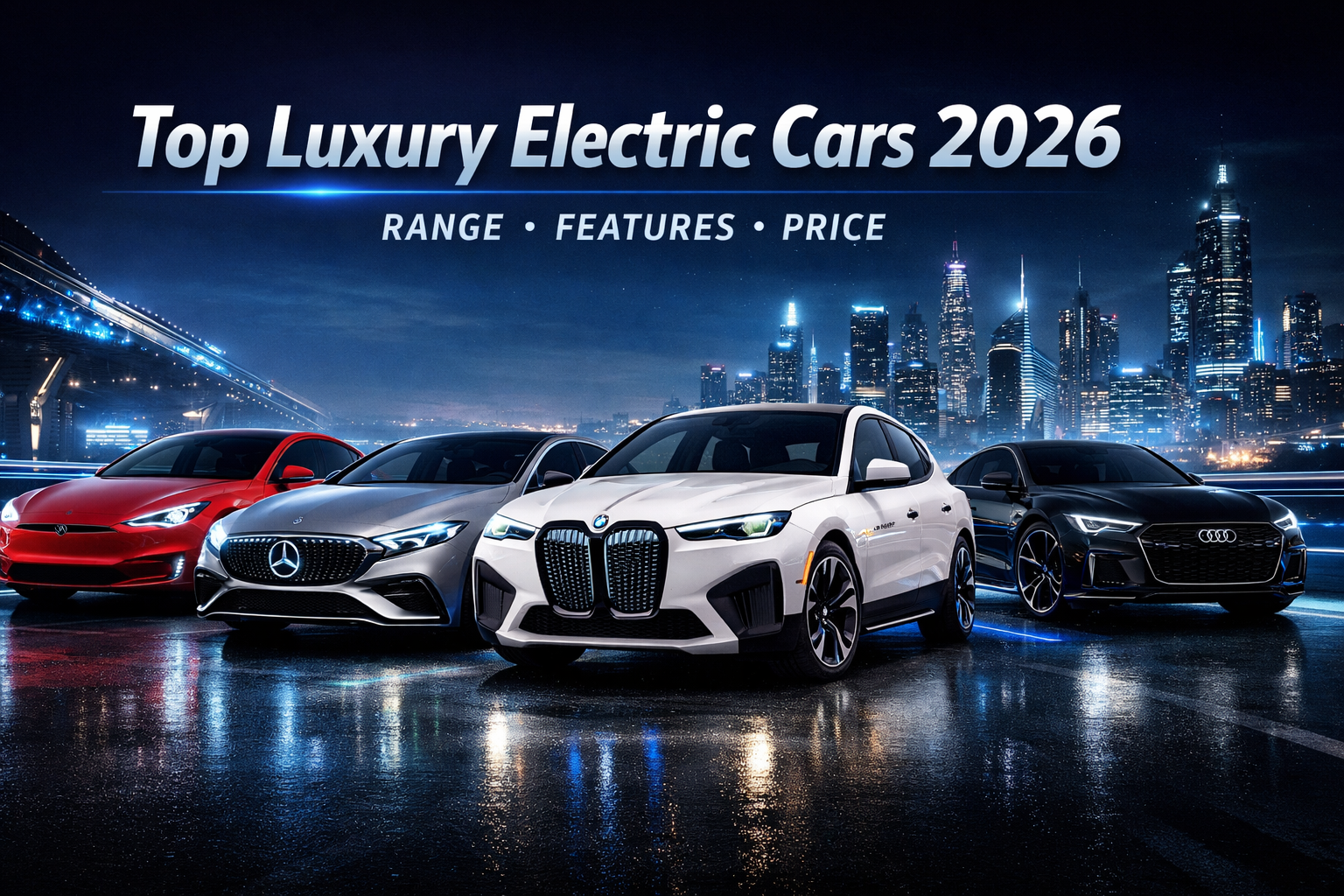
Top Luxury EVs in 2026
Discover the most advanced luxury electric vehicles of 2026, offering long range, fast charging, premium interiors, and cutting-edge technology. Compare features, real-world range, and prices before you buy.
Read Full Guide →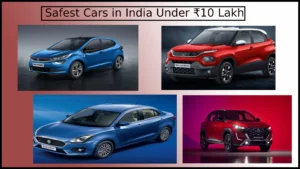
Safest Cars Under ₹10 Lakh
Discover India’s safest budget cars under ₹10 lakh, rated for crash safety, airbags, stability control, and solid build quality.
Read Full Guide →